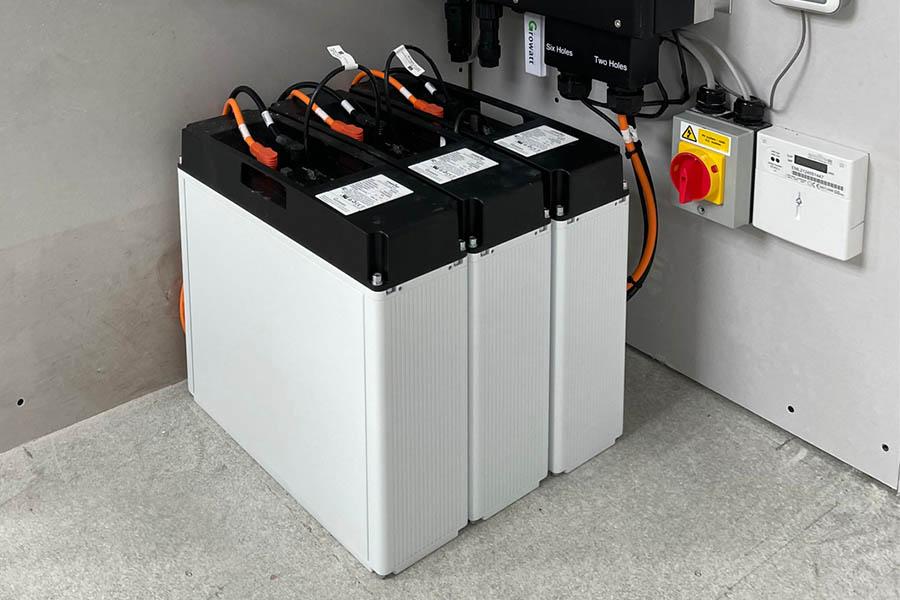
Solar energy can significantly reduce the amount of electricity a business purchases from the grid. But solar generation is naturally linked to daylight hours, while many businesses continue consuming electricity after the sun goes down.
This is where battery storage becomes valuable. Instead of using all the solar energy immediately, excess electricity can be stored and made available when it is needed.
The result can be a more flexible and resilient energy system designed around the actual operating requirements of your facility.
Solar generates energy. Batteries give you more control over when you use it.
The right combination of solar generation and battery storage can help reduce grid dependence while improving the reliability of critical operations.
How Can Battery Storage Reduce Energy Costs?
Battery storage can provide several benefits depending on how your facility consumes electricity and how the system is designed.
Store Excess Solar Energy
When solar generation exceeds immediate consumption, excess energy can be stored instead of being wasted or exported, depending on the system and applicable arrangements.
Use Stored Energy Later
Stored energy can be used during periods when solar production is low, allowing more of the generated energy to support the facility's operations.
Reduce Generator Dependence
Where the battery system is appropriately designed, stored energy can provide an alternative source of power during certain grid interruptions and reduce reliance on generators.
Protect Critical Loads
Battery systems can be configured to support selected critical loads, helping important operations continue during power interruptions.
Battery Size Matters
A larger battery is not automatically a better investment. The correct battery size depends on how much energy your facility consumes, when that energy is consumed, and which loads need backup or extended support.
Energy Capacity
Determines how much energy the battery can store and make available for later use.
Power Capacity
Determines how much electrical power the battery can deliver to connected loads at a given time.
Proper battery design therefore requires more than looking at monthly electricity consumption. Load characteristics, operating schedules, backup requirements and future energy needs should also be considered.
When Does Battery Storage Make Sense?
Battery storage can be particularly useful where a business has significant energy requirements outside solar production hours, critical loads that require backup, or a need for greater control over energy usage.
Businesses operating beyond normal daylight hours.
Facilities with critical equipment that requires backup power.
Operations looking to increase their use of self-generated solar energy.
Facilities where energy resilience is an important operational requirement.
Consider the Financial Case
Battery storage is an investment, so the financial case should be considered alongside the technical requirements.
The assessment should consider the cost of the battery system, expected energy savings, system lifetime, maintenance requirements, replacement considerations, and the value of improved energy resilience.
A properly engineered system should balance technical performance with the financial objectives of the customer.
Start With Your Energy Profile
The right battery system is not determined by battery size alone. It starts with understanding how your facility consumes electricity.
At Amperage Energy, we look at your electricity bills, operating hours, load requirements, critical equipment and future needs before recommending a solar and battery solution.
This approach helps ensure that the system is designed around your actual operation rather than simply matching you with a standard product.
Ready to take control of your energy?
Let's assess your solar and battery requirements.
Share your electricity bill and energy requirements with our team and let's determine whether battery storage can improve your energy performance.
Get My Energy Assessment