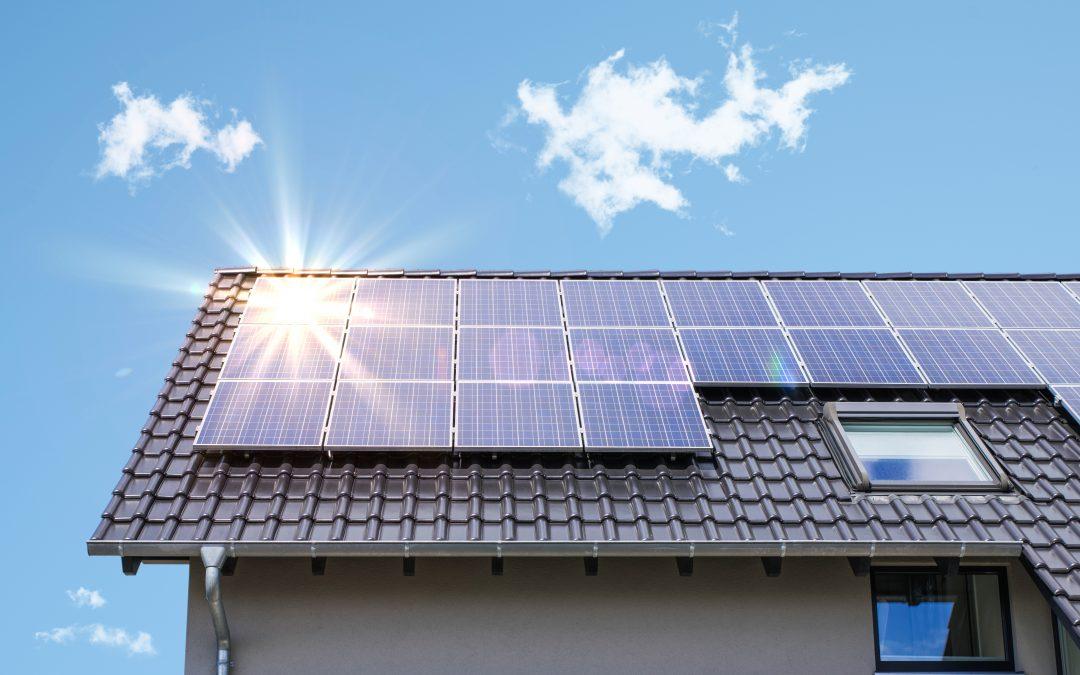
For many businesses, electricity is a significant operating expense. As energy costs continue to affect business margins, generating part of your own electricity through solar can provide an opportunity to take greater control of those costs.
But the important question is not simply whether solar works. The real question is whether the investment makes financial sense for your specific operation.
This is where solar return on investment, or ROI, becomes important.
The goal is not simply to install solar.
The goal is to engineer an energy system that reduces your electricity expenditure while delivering a sensible return on your investment.
What Determines Solar ROI?
Several factors influence how quickly a solar investment can recover its initial cost. A good assessment should consider the entire energy profile of the business rather than focusing only on the number of solar panels.
Electricity Consumption
Your electricity usage determines how much energy the solar system can potentially offset.
Operating Hours
Businesses operating during daylight hours may be able to consume a significant portion of solar generation directly.
System Size and Design
Oversizing or undersizing a system can affect the financial performance of the investment. Proper engineering is therefore essential.
Battery Storage
Where appropriate, batteries can store excess solar energy for use later, particularly when energy requirements extend beyond solar production hours.
Understanding Payback Period
The payback period is the estimated time required for the savings generated by the solar system to recover the initial investment.
Payback Period = Initial Investment ÷ Annual Energy Savings
For example, if a system requires an investment of KSh 2,000,000 and generates approximately KSh 400,000 in annual electricity savings, the simple payback period would be approximately five years.
Actual financial performance can vary depending on electricity consumption, system performance, maintenance, financing, electricity tariffs, and other operating factors.
Solar ROI Is About More Than Payback
A strong solar investment case should look beyond the payback period. The system may continue generating electricity and delivering savings for many years after the initial investment has been recovered.
Businesses should also consider the value of improved energy resilience, reduced generator dependence, protection of critical operations, and greater predictability of energy costs.
Start With Your Energy Profile
The best solar system is not necessarily the system with the most panels. It is the system designed around how your business actually consumes energy.
At Amperage Energy, we start by understanding your electricity bills, loads, operating patterns and critical energy requirements. We then use that information to develop a practical system and financial case.
Ready to understand your numbers?
Let's assess your energy profile.
Share your electricity bill and energy requirements with our team and let's determine whether solar makes financial sense for your operation.
Get My Solar Assessment